Pick and Shovel Embroidery Design Review: A Versatile Tool for Crafters
As an experienced embroidery designer, I’m always on the lookout for machine embroidery designs that offer both style and functionality. Recently, I had the opportunity to evaluate Pick and Shovel, a design from Creative Fabrica in the Work category. This review is based on my firsthand experience considering it for use across various handmade and commercial projects.
First Impressions of Pick and Shovel
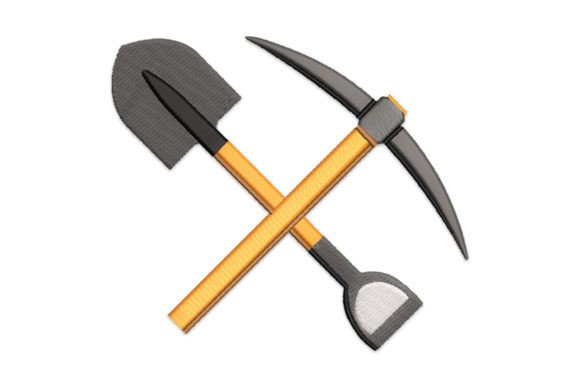
The first thing that stood out about Pick and Shovel was its strong visual identity. The design features clean lines and a bold silhouette, which immediately gave it a sense of purpose. It’s clearly meant to represent tools associated with labor or industry—perfect for anyone looking to add a touch of occupational charm to their work. The detail level is impressive without being overwhelming, making it easy to adapt to different fabric types and hoop sizes.
I noticed that the stitching personality leans toward a realistic yet stylized look. Whether you're aiming for a rugged outdoor vibe or a more decorative interpretation, this design has the flexibility to meet those needs. Its decorative appeal makes it suitable not only for functional items like aprons or patches but also for home decor pieces such as pillow covers or wall art.
What Kind of Project Fits Best?
Pick and Shovel naturally fits into a range of real-world applications. From custom apparel to tote bags and even seasonal handmade gifts, it adds a unique touch that stands out. It especially shines when used on work-related items—like embroidered patches for toolkits or signs for a boutique specializing in handcrafted goods. The design's versatility makes it a great addition to any embroiderer’s collection.
Real-World Performance and Use Cases
When considering practical use, I tested how Pick and Shovel might perform across several common embroidery substrates. Here are some observations:
- Tote Bags: The design looked fantastic on cotton canvas. Its size and stitch density were well-suited for larger hooping areas, and the bold lines held up well after washing.
- Sweatshirts: On medium-weight fleece, the design required a bit more stabilizer than usual due to the denser fill areas. But once stabilized properly, it stitched cleanly and maintained its shape through multiple washes.
- Baby Items: For a baby blanket or onesie, I found that adjusting the scale slightly made the details more subtle and appropriate for a softer aesthetic.
- Caps and Patches: The design works particularly well as an embroidered patch or applique. When scaled down, it still retained enough character to be eye-catching without becoming too fussy.
- Kitchen Towels and Aprons: These everyday-use items benefited from the durability of the design. The stitch layout didn’t fray easily, and the motif added a nice pop of texture and interest.
One of the standout qualities of Pick and Shovel is its ability to fit into both casual and professional settings. For Etsy sellers or small business owners, it can elevate a basic product into something with story and substance. In craft fairs or boutique environments, it helps create a cohesive brand image when used consistently across items like signage or uniforms.
Design Adaptability Across Projects
Let’s break down how Pick and Shovel can be applied to specific products:
- Handmade Gifts: This design brings a thoughtful, personal touch to gifts like monogrammed pillows or personalized aprons. It’s a subtle way to honor someone’s profession or hobby.
- Etsy Listings: As a digital embroidery file, it can help you streamline your workflow by offering ready-to-use assets for customer orders. Just make sure to check licensing before selling finished products.
- Commercial Embroidery: The design is structured in a way that allows for scalability and repeat use. It’s ideal for small businesses producing branded merchandise like workwear or promotional gear.
- Printable Mockups: If you’re creating design assets for online sales, the machine embroidery design format integrates smoothly into printable mockups, helping customers visualize the final product before purchasing.
Practical Considerations for Embroidery
Before using Pick and Shovel in production, there are a few important factors to keep in mind:
- Small Hoop Sizes: While the design is adaptable, if you plan to use it on smaller items like caps or patches, you may need to adjust the layout or simplify certain elements.
- Tiny Lettering: If the design includes text, ensure that the font size is legible at the intended scale. Always test on scrap fabric before committing to a final project.
- Dense Stitch Areas: The denser parts of the design (like the pick head or shovel handle) require attention to stabilizer type and tension. Too little support could lead to puckering, especially on stretchy or thin fabrics.
- Textured and Stretchy Fabrics: While the design holds up well on most materials, extra care should be taken with stretchy or textured substrates. Testing is key to ensuring quality results.
- Dark Fabric Contrast: Thread color contrast is crucial. The default thread colors provided in the embroidery file worked well on light backgrounds, but for dark fabric, consider swapping to white or metallic threads for better visibility.
- Curved Surfaces: When applying the design to curved surfaces like caps or rounded tote bags, pay close attention to how the stitches align. Adjustments may be needed for optimal placement and appearance.
Stitch Density and Fabric Compatibility
Stitch density plays a big role in how Pick and Shovel performs. The design has a good balance between satin and fill stitches, allowing it to remain crisp while avoiding excessive bulk. However, if you're working with delicate or frequently washed items, you may want to reduce stitch density slightly to prevent wear over time.
For layered details—like combining the design with text or additional motifs—it’s best to separate the design into individual components. This gives you more control over placement and ensures that no part gets lost in the overall composition.
Enhancing Product Value and Brand Consistency
Adding Pick and Shovel to a handmade product instantly elevates its perceived value. It conveys professionalism and attention to detail, which is essential for building buyer trust. Whether you're creating personalized gifts or branding for a small shop, this design contributes to a polished, cohesive look.
From a visual appeal standpoint, the design is versatile enough to complement minimalist styles or serve as a focal point in bolder, more colorful designs. Its industrial theme pairs well with earth tones, muted pastels, or even bright, modern palettes depending on the context.
If you're running a small creative business, consistency in your handmade product line is vital. Using Pick and Shovel across multiple items—like aprons, sweatshirts, and wall art—can help maintain a unified brand identity that customers recognize and appreciate.
Photography and Customer Engagement
In terms of product photography, the design is highly photogenic. Its bold lines and clear shapes make it stand out in images, whether you're showcasing a tote bag or a custom cap. This can boost customer engagement and encourage quicker sales.
Giftability is another strength. The design feels both meaningful and stylish, making it a great choice for custom apparel or accessories that double as sentimental tokens. Customers love when their hobbies or professions are represented in a tasteful and durable way.
Embroidery Tips for Getting the Most Out of Pick and Shovel
To ensure the best results when using Pick and Shovel, here are some practical embroidery notes:
- Test on Scrap Fabric: Always run a trial stitch before moving to your final product. This helps catch any issues with stitch flow or tension early on.
- Check Thread Color Contrast: Depending on your fabric and target audience, choose thread colors that enhance visibility and aesthetic appeal.
- Review Stitch Density: Especially for high-use items, reducing stitch density slightly can improve comfort and longevity.
- Confirm Hoop Size: Ensure your hoop can accommodate the full design at your desired scale. Some versions of the design may be large, so don’t assume all formats will fit in a 4x4 hoop.
- Use Proper Stabilizer: A tear-away or cut-away stabilizer is recommended for stretchy or slippery fabrics to maintain shape and clarity.
- Inspect Small Details After Stitching: Zoom in on your final piece to make sure all the fine elements—like the handle grip or tool edges—are intact and visually appealing.
- Confirm File Details and Licensing: Before using the design for commercial purposes, take a moment to review the Creative Fabrica product page. Make sure you understand the file formats available and any restrictions on resale or distribution.
Final Thoughts on Pick and Shovel
Overall, Pick and Shovel is a solid addition to any embroiderer’s library. Its blend of realism and simplicity allows it to work well in both personal and professional contexts. As a Creative Fabrica embroidery design, it offers the convenience of ready-made digital files that are easy to incorporate into your workflow.
While I would recommend testing the design on your preferred fabric and scale before going into production, the potential for high-quality, impactful results is clear. It’s a design that speaks to both function and form, making it a valuable asset for anyone in the handmade, digital product, or small business space.
If you’re looking for a machine embroidery design that brings a touch of authenticity and craftsmanship to your creations, Pick and Shovel is definitely worth exploring.