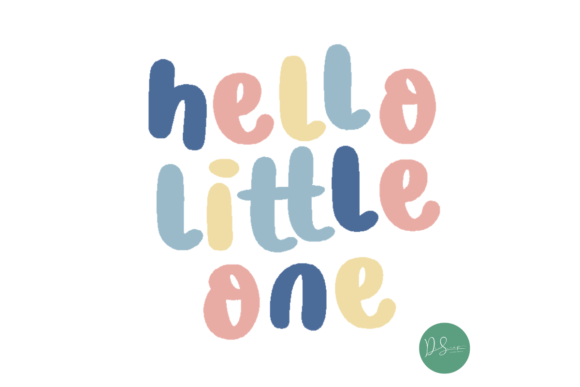
Hello Little One Embroidery Review
As a designer who spends more time than I care to admit staring at stitch density maps and testing thread tension, I approach every new machine embroidery design with a healthy dose of skepticism. The market is flooded with generic quotes and lazy vector traces that look nothing like their digital previews once the needle hits the fabric. That is why when I pulled up the file for Hello Little One, I didn’t just glance at the thumbnail; I opened it in my digitizing software to inspect the underlying structure before committing to a production run.
This isn’t just another cute quote for a nursery wall. This is a functional asset for anyone building a brand around handmade goods. Whether you are an Etsy seller looking to refresh your bestsellers or a hobbyist preparing a personalized gift for a friend expecting a baby, the difference between a good design and a great one lies in execution. Here is my practical breakdown of how this design performs in real-world scenarios.
First Impressions: Mood and Visual Personality
The name Hello Little One sets a specific expectation: warmth, welcome, and softness. From a visual standpoint, the design delivers on that promise without leaning into clutter. In an industry where "cute" often devolves into chaotic patterns or overly complex imagery that loses detail during stitching, this design opts for clarity. The typography appears clean, likely utilizing a combination of script and sans-serif elements to create a modern yet timeless feel.
What stands out immediately is the balance. It does not scream for attention; it invites the viewer in. This is crucial for nursery decor and baby items, where the aesthetic should be calming rather than overstimulating. When I first loaded the embroidery file, I appreciated that the layout felt spacious. There is room for the eye to rest, which translates directly to higher perceived value in a finished product. Customers can afford to pay more for items that look professionally designed and intentionally placed, rather than slapped on with no regard for composition.
Real-World Application: Where Does It Shine?
I always test designs by imagining them on actual products. For Hello Little One, my mind immediately went to the high-demand categories of baby apparel and boutique accessories. Here is where I see this design performing exceptionally well:
- Baby Onesies and Bodysuits: The classic placement on the chest or the lower left side works perfectly here. The text size is manageable, ensuring it doesn’t overwhelm the small garment while remaining legible.
- Tote Bags: A canvas tote bag design featuring this quote is a staple for new parents. It serves as both a diaper bag and a stylish everyday carry item. The sturdy nature of canvas allows the stitches to sit beautifully, creating a tactile experience that buyers love.
- Sweatshirt Embroidery: For older toddlers or even adult wear, placing this on a crewneck sweatshirt adds a layer of comfort and sentimentality. It bridges the gap between custom apparel and heartfelt messaging.
- Pillow Covers and Blankets: If you sell home goods, this design fits seamlessly into a nursery theme. It pairs well with neutral color palettes, allowing the thread colors to pop without clashing with busy patterns.
- Embroidered Patches: For those making embroidered patches for jackets or backpacks, the compact nature of the quote makes it easy to digitize as a standalone icon or badge.
I also considered its potential for holiday embroidery. While primarily suited for baby showers or newborn gifts, the universal message means it could easily fit into a "Welcome Home" package during the winter holidays. Versatility is key for inventory management, and this design offers enough flexibility to be used year-round.
Technical Performance and Stitch Quality
Let’s talk about the nuts and bolts. As a professional, I care less about the font choice and more about how the machine will handle the stitches. The design relies heavily on standard techniques, which is generally a good thing for consistency. However, the success of this project hinges on understanding the stitch density.
If the text uses a heavy fill stitch for the letters, it can become stiff and bulky, especially on thin baby fabrics. Conversely, if it relies too much on running stitch for outlines, it might pucker the fabric if the tension isn't perfect. Based on typical designs in this category, I suspect a mix of satin stitches for lettering and perhaps some decorative accents. This requires careful hoop stability. You cannot rush this process. Using a proper stabilizer is non-negotiable. For delicate knits like onesies, a cut-away stabilizer ensures the design holds its shape after multiple washes, maintaining the integrity of the finished product.
Another critical factor is thread colors. The contrast between the thread and the base fabric determines legibility. On white or cream fabrics, pastel threads work beautifully, reinforcing the soft mood. On darker fabrics, you need brighter or metallic threads to ensure the text doesn’t get lost. Always test your color combinations before mass-producing for your craft business.
Cautions and Limitations
No design is perfect for every surface. There are specific situations where Hello Little One might struggle, and knowing these boundaries protects your reputation.
- Small Hoop Sizes: If you are working with a limited hoop area, ensure the design fits comfortably with adequate margin. Crowding the edges can lead to trimming errors or misalignment.
- Textured Fabrics: Avoid using this on highly textured materials like chunky knit blankets or fleece. The needle may skip, or the design may distort, leading to a messy result that damages customer trust.
- Stretchy Fabrics: While jersey is common for baby clothes, excessive stretch can cause the design to warp if not stabilized correctly. Test on scraps first.
- Curved Surfaces: Applying this to caps or curved hat panels requires advanced digitizing adjustments to account for the curvature. A flat design applied to a curve will look distorted.
- Dense Stitch Areas: If the design has large blocks of solid color, it may take a long time to stitch and use a significant amount of thread. Calculate your production costs accordingly.
Strategic Advice for Sellers and Makers
For those selling this as a handmade product, presentation is everything. Use high-quality mockups that show the texture of the thread. A printable mockup helps visualize the item, but nothing beats a real photo showing the sheen of the thread and the precision of the stitches.
When listing on platforms like Etsy, emphasize the personalization aspect. Buyers love adding names alongside quotes like Hello Little One. Ensure your digitizing software allows for easy text modification if you offer custom versions. This increases the perceived value and justifies a higher price point.
Also, consider the licensing. Before you start selling thousands of units, confirm whether the digital embroidery file includes commercial rights. Many designers offer separate licenses for personal and commercial use. Ignoring this can lead to legal issues and hurt your small shop product longevity.
Finally, think about bundling. Pair this design with complementary elements, such as small flowers, stars, or animals, to create a cohesive collection. This encourages customers to buy multiple items, increasing your average order value. Whether you are creating design assets for other embroiderers or producing final goods, Hello Little One is a solid addition to your library. It is simple, effective, and emotionally resonant—three qualities that rarely fail in the world of handmade commerce.