Elegant Border Review: A Designer’s Perspective
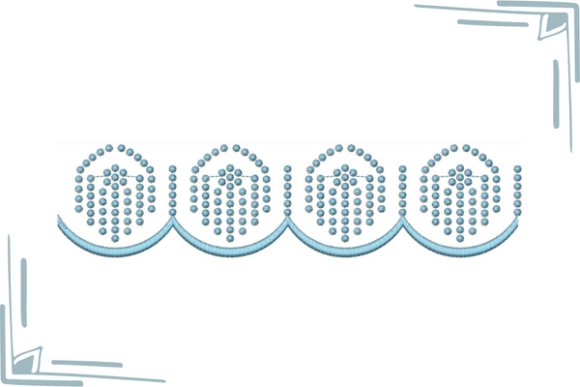
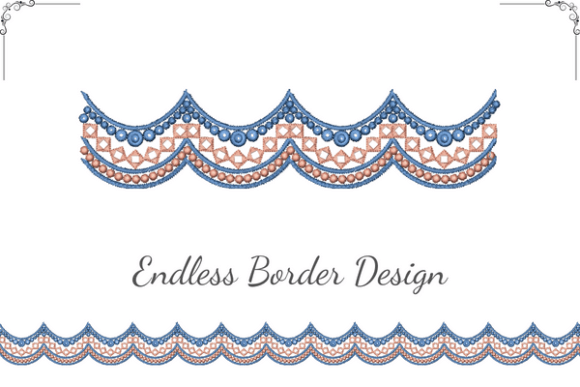
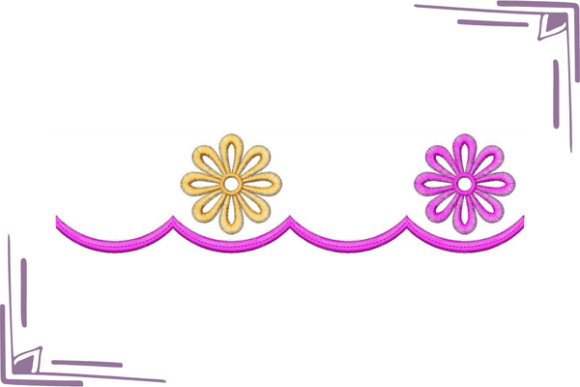
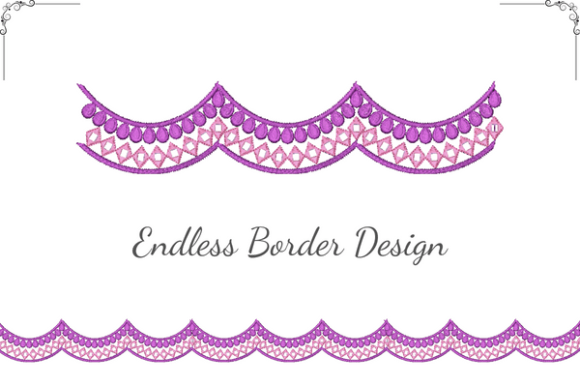
When I first opened the Elegant Border embroidery file, it was clear this design had a refined aesthetic. The soft curves and balanced layout suggest a decorative yet versatile border that could enhance a wide range of projects. It doesn’t scream for attention but rather invites the eye to linger—perfect for adding subtle sophistication to handmade items or commercial products alike.
Visual First Impressions and Design Personality
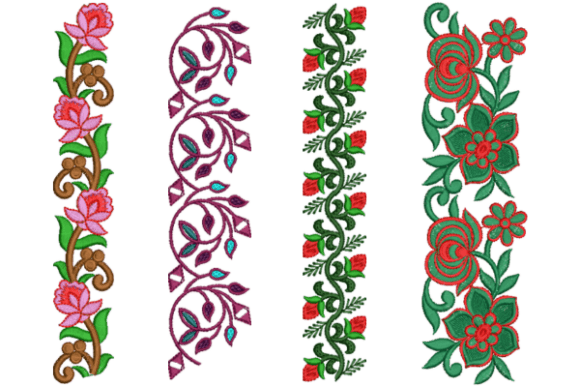
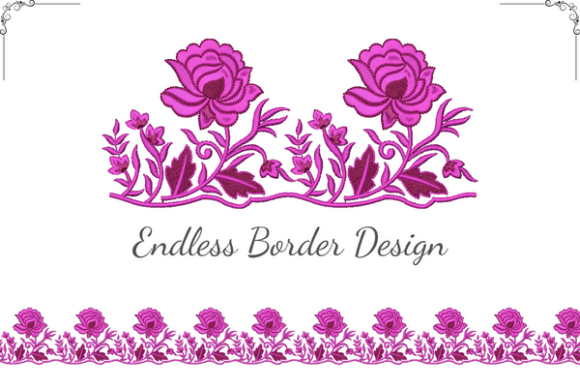
The Elegant Border has a graceful feel, with flowing lines and a touch of floral influence in its details. Its symmetry is well executed without being too rigid, which gives it a natural, artisanal charm. The level of detail is moderate, making it suitable for both quick custom jobs and more elaborate pieces where the border plays a central role. This design feels like it would work best on home decor items such as pillow covers or kitchen towels, but it also has potential for apparel like sweatshirts or tote bags where a polished edge is desired.
I appreciate how it avoids overcomplication while still offering enough character to stand out. The colors included are vibrant and harmonious, though I always recommend adjusting thread colors to better match your project’s theme or branding. For instance, if you're creating a holiday gift, you might want to use red and green threads instead of the default palette.
Real-Life Application: Custom Tote Bag Project
To test the Elegant Border, I tried applying it to a custom embroidered tote bag. The design wrapped around the top edge of the bag beautifully, framing the rest of the embroidery elements without overpowering them. It worked especially well when paired with a minimalist logo or name at the center, allowing the border to elevate the overall look without competing.
Stitch clarity was impressive on medium-weight cotton canvas, which is common for tote bags. However, I noticed that on stretchy fabrics like knits, the border can distort slightly unless proper stabilizer is used. That said, with a little prep and testing, it’s possible to achieve excellent results across various materials.
Performance in Different Embroidery Projects
- Custom Apparel: Works great on sweatshirts and t-shirts as an accent along the hem or sleeve. Avoid using it near seams or tight curves to maintain stitch integrity.
- Baby Clothes: Adds a gentle, elegant touch to onesies or bibs. Be cautious with dense stitch areas near delicate fabrics to prevent puckering or tearing.
- Tote Bags & Aprons: Ideal for outlining logos, names, or other designs. The layout adapts well to rectangular shapes and provides a clean finish.
- Pillow Covers: Gives a finished, upscale look to the edges. It pairs nicely with fill stitch patterns or applique designs centered within the fabric.
- Kitchen Towels & Tea Towels: Looks fantastic on linen or cotton blends. The color options make it a great choice for holiday embroidery or seasonal items.
- Nursery Decor & Personalized Gifts: Offers a sophisticated frame for monograms or small motifs. Just ensure there's enough space between the border and main design to avoid overcrowding.
- Embroidered Patches: Can be adapted for patch work with some minor trimming, especially if the border is not meant to wrap entirely around the piece.
- Caps & Hats: Curved surfaces present a challenge. The border may need slight adjustments to fit the shape of the brim or crown properly.
Where to Use With Caution
While the Elegant Border is adaptable, there are situations where it requires careful handling:
- Small Hoop Sizes: If you’re working with limited space, parts of the border may get cut off or appear cramped. Always confirm hoop size before finalizing the placement.
- Textured Fabrics: Stitch definition can become muddled on fabrics like felt or flannel. Test on a scrap piece first to see how it lays and stitches.
- Thin or Delicate Fabrics: Dense stitch areas might cause holes or distortion. Consider reducing stitch density or using a lighter-weight backing material.
- Stretchy Materials: Without proper stabilizer, the border may pucker or lose shape. Try using cutaway or tear-away stabilizers depending on the fabric type.
- Dark Fabric Backgrounds: Thread visibility is key. Opt for bright or pastel threads to ensure the border stands out against darker bases.
- Products That Require Frequent Washing: While the design itself holds up well, frequent washing can wear down thin threads or cause slight fading. Choose durable thread types and heavier fabrics for long-lasting appeal.
Designer Notes for Real-World Use
As someone who works with multiple embroidery files daily, I always start by testing the Elegant Border on scrap fabric. This helps me understand how the stitch density interacts with different textures and how much tension adjustment may be needed. I’ve found that using a black-and-white mockup helps visualize how the border will look regardless of the thread colors selected.
Another thing I consider is whether the design fits the intended product. For example, while it looks lovely on a pillow cover, it may not be the best choice for an embroidered patch due to its length and detail. Similarly, on curved surfaces like caps, the border needs to be carefully adjusted to follow the contour smoothly.
For craft business owners and digital product sellers, I recommend checking the licensing terms of the machine embroidery design before including it in your offerings. Some borders are best suited for personal use or require permission for resale of the finished item.
Impact on Product Value and Customer Perception
Adding the Elegant Border to a handmade product instantly elevates its perceived quality. Whether it’s a personalized baby blanket or a boutique-style apron, the border contributes to a sense of care and craftsmanship. In my experience, customers respond positively to designs that have a consistent and professional look—this one definitely hits that mark.
On Etsy listings or printable mockups, the border adds a layer of polish that makes the product more appealing. It helps create brand consistency for those selling small shop merchandise and improves buyer engagement by showing attention to detail.
One thing I noticed is that the border doesn’t distract from the main message or motif of the project. That makes it ideal for sweatshirt embroidery where a name or team logo is the focus. The border enhances without overshadowing, which is a big plus in the world of commercial embroidery.
Thread Color Contrast and Fabric Texture Tips
Thread color contrast is essential here. On light-colored backgrounds, the default colors pop well. But on dark denim or navy fabric, I recommend using white, cream, or pastel shades to maintain visual balance and clarity.
Also, keep in mind that running stitch sections may not show up as clearly on very smooth or glossy fabrics. You might need to adjust the stitch style or increase contrast in these cases.
Final Thoughts for Makers and Sellers
The Elegant Border is a solid addition to any embroiderer’s design library. It brings a touch of class to everyday items and can help differentiate your design assets from the generic crowd. As a designer, I see its value in both personalized gifts and small business branding—especially when paired with thoughtful, complementary elements.
However, like all embroidery designs, it needs context. Not every project is a good match for every border. Think about the purpose, fabric, and audience before committing. For apparel decorators, this means considering how the border interacts with garment movement and wear. For home decor creators, it means evaluating how the design complements the room’s style and color scheme.
If you're planning to include this in your digital embroidery file collection or sell it as part of a custom apparel package, take time to review how it functions in real-world conditions. Will it hold up after several washes? Does it scale well on smaller items like patches or caps? These are the kinds of questions that separate a great design from a merely adequate one.
In short, the Elegant Border is a versatile, visually pleasing option for those looking to add a refined edge to their embroidery projects. With the right preparation and understanding of its limitations, it can become a valuable tool in your creative arsenal—whether you're crafting for yourself, clients, or your handmade shop.