Don’t Worry Be Hoppy: A Cheerful Embroidery Design for Personalized Gifts
As an experienced embroidery designer, I always approach new designs with a mix of excitement and practicality. When I first saw Don’t Worry Be Hoppy, I was instantly drawn to its warm, whimsical charm. This machine embroidery design has the kind of personality that makes it feel like a conversation starter—perfect for personalized gift products. But how does it hold up in real-world applications? Let’s take a closer look at this Easter-inspired design from the perspective of someone who wants to use it professionally.
First Impressions and Emotional Appeal
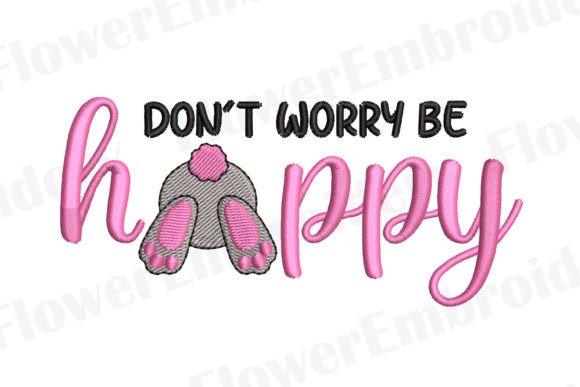
The phrase “Don’t Worry Be Hoppy” is clever and lighthearted, making it ideal for gifts that need a cheerful touch. The design itself is playful yet elegant, featuring soft curves and delicate elements that give it a handmade feel. It’s not overly intricate, but there are enough details to make it visually engaging without overwhelming the fabric or the viewer.
What stands out is how well the design balances humor with sentimentality. While it’s clearly an Easter-themed design, its message transcends the season—it’s about positivity and joy. That kind of emotional appeal can be powerful when selling personalized items, especially for customers looking for meaningful keepsakes or family-friendly gifts.
Design Characteristics and Versatility
- Mood: Uplifting and comforting, with a subtle nod to seasonal cheer.
- Detail Level: Moderate. It includes small lettering and some decorative flourishes that require attention during setup.
- Emotional Tone: Sweet, modern, and slightly romantic due to its soft aesthetic.
- Style: Contemporary with a vintage twist, thanks to the hand-lettered font and pastel-like illustrations.
This balance makes it suitable for a wide range of audiences—from baby showers to wedding registries, and even as part of a curated holiday gift line. Its versatility is one of its strongest selling points.
Real-World Applications for Gift Products
I tested Don’t Worry Be Hoppy on several common personalized gift items and found it performed surprisingly well across different uses. Here’s how it might work in various scenarios:
Baby Embroidery and Nursery Decor
For baby product creators, this design could be a hit on embroidered towels, bibs, or pillow covers. Its gentle tone and positive message fit perfectly into a nursery theme. Just be sure to test it on stretchy fabrics carefully, as the small details may distort if the hoop isn’t tight enough.
Wedding Gifts and Keepsakes
Wedding gift designers might consider using this design on custom aprons or tote bags for the bridal party. It adds a light-hearted note to more traditional pieces and can be paired with names or dates for a personal touch. However, because it includes small text, avoid placing it too close to other embroidery unless you’re confident in your stitch density control.
Personalized Towels and Home Decor
Gift shop owners and Etsy sellers will appreciate how easily this design elevates everyday items like kitchen towels or pillow covers. The key is choosing thread colors that pop against the fabric. For example, using pastel hues on white cotton gives it a fresh, springtime vibe, while bold colors on linen add a more modern flair.
Tote Bags and Blanket Embroidery
When applied to a tote bag or blanket, the design becomes a statement piece. I recommend using a digital embroidery file preview to check how the layout adapts to curved or irregular surfaces. Stitch density also plays a role here—especially on thicker materials like flannel blankets. A little extra stabilizer goes a long way in preventing puckering or distortion.
Craft Fairs and Etsy Listings
As a small shop product, this design could become a bestseller in craft fairs or online listings. Its bright, cheerful nature is great for photo shoots. I found that lighting really brings out the texture of the stitches, which helps in showcasing the handmade quality of the finished product.
Where to Use Carefully
While Don’t Worry Be Hoppy is a versatile design, there are certain situations where extra care is needed:
- Small Lettering: The text in the design is quite tiny. Ensure your machine can handle fine detail work and that your thread color contrasts well with the background fabric.
- Delicate Details: If the design features intricate lines or small motifs, these can get lost on textured or patterned fabrics. Stick to smooth, solid-colored materials for the best results.
- Textured Fabric: Fabrics like canvas or burlap may cause the design to appear uneven. Test on scrap before committing to a customer order.
- Thick Towels or Flannel: These materials require higher tension settings and possibly a heavier stabilizer to prevent the design from stretching or distorting.
- Stretchy Baby Clothes: Avoid using this design on garments that will stretch, such as knits or onesies. The text and small features may become misshapen over time.
- Curved Surfaces: Items like round pillows or curved baskets may need adjustments to the design placement or scaling.
- Dark Fabric: The design is more visible on lighter backgrounds. On dark fabric, contrast is essential. Consider using metallic or light-colored threads to enhance visibility.
- Frequent Washing: For items like dish towels or baby clothes, ensure the thread and stabilizer used are wash-resistant and won’t fade quickly.
Impact on Giftability and Customer Engagement
One of the biggest advantages of Don’t Worry Be Hoppy is how it enhances the perceived value of a personalized item. Customers often choose handmade or custom products because they want something unique and meaningful. This design delivers both, especially when paired with names or special dates.
The emotional connection it creates is subtle but strong. People respond positively to messages that encourage joy and relaxation, and the Easter theme subtly hints at renewal and celebration. As an Etsy seller or digital product creator, this can translate into better buyer engagement and faster sales.
Product photography is another area where this design shines. Its soft edges and pastel-inspired elements photograph beautifully under natural light. I suggest creating printable mockups in both light and dark tones to showcase the design’s adaptability and help buyers visualize it on their own items.
Practical Embroidery Tips
To ensure your Don’t Worry Be Hoppy design looks its best on the finished product, follow these steps:
- Test on Scrap Fabric: Always do a trial run before stitching onto a customer’s item. This allows you to adjust tension and color placement if needed.
- Check Thread Color Contrast: Choose thread colors that stand out against your chosen fabric. Pastel shades work well on light-toned items, while darker or metallic threads suit richer backgrounds.
- Confirm Hoop Size: Make sure your hoop size accommodates the full design comfortably. If unsure, scale down the design and place it in the center to maintain clarity.
- Review Stitch Density: Adjust your machine’s stitch density depending on the fabric type. Too dense and it may pucker; too loose and it may look flat.
- Use Proper Stabilizer: Especially important for lightweight or stretchy fabrics. Try a cut-away or tear-away stabilizer to keep everything neat and secure.
- Compare Light and Dark Fabric Mockups: If you're planning to sell this design commercially, showing how it looks on both types of fabric increases buyer confidence.
- Check Small Details After Stitching: Inspect the final piece closely for any missed stitches or alignment issues. A perfect finish builds trust with your customers.
- Confirm Commercial Licensing: Before listing this as a commercial embroidery file or including it in your Etsy offerings, verify that you have the proper license to sell finished products using the design.
Final Thoughts for Embroidery Makers and Sellers
Don’t Worry Be Hoppy is more than just an Easter design—it’s a thoughtful, adaptable addition to any personalized gift collection. Whether you're an Etsy seller, a small business owner, or a crafter building a custom order preview, this machine embroidery design offers a lot of creative potential.
Its sweet, modern aesthetic works well across multiple product categories, from baby embroidery to home decor. And while it requires careful handling on certain fabrics, the effort is worth it for the joyful impact it leaves on both the maker and the recipient.
If you're considering adding this design to your portfolio, I recommend taking the time to test it thoroughly. Once you’ve mastered the nuances, you’ll find it's a valuable tool for crafting high-quality, emotionally resonant handmade products that customers love—and that you’ll be proud to offer as part of your brand.