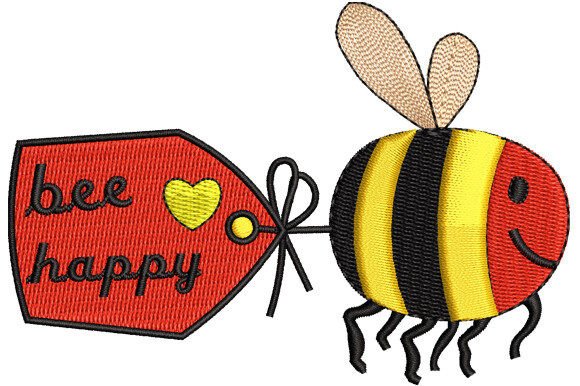
Bee Happy Honey Bee Embroidery Design Review
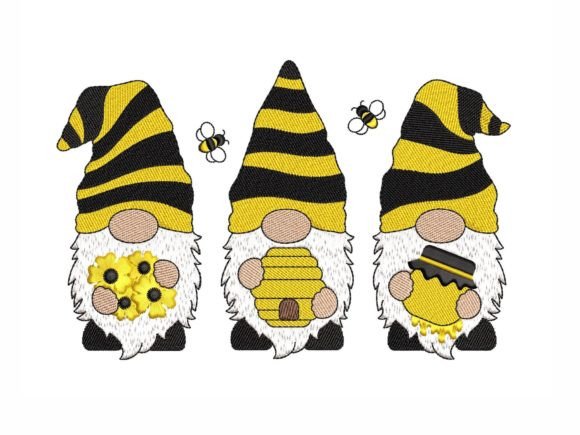
As an experienced embroidery designer, I’ve reviewed countless designs for craft fairs and handmade markets. The Bee Happy Honey Bee embroidery design immediately caught my eye with its vibrant appeal and versatile nature. In this review, I’ll walk you through how this design could perform in a variety of products and what factors to consider when turning it into your next best-selling item at a weekend craft fair or Etsy shop.
First Impressions: Adorable and Vibrant
The title and description of the Bee Happy Honey Bee embroidery design suggest a cheerful, uplifting theme that resonates well with today’s market trends. It feels both inspirational and cute, making it ideal for customers who appreciate whimsical yet meaningful handmade products. The design is described as “quick and easy,” which is a big plus for small shop product creators looking to produce multiple items efficiently without sacrificing charm or detail.
Visually, it evokes a sense of warmth and positivity—perfect for spring and summer collections. The mention of “vibrant” hints at lively thread colors that can really pop on light-colored fabrics, drawing attention from passersby at your booth or online shoppers scrolling through your Etsy listing.
How Bee Happy Honey Bee Performs on Different Products
This design has potential across a wide range of craft fair products. Here's how it stands out on various items:
- Tote bags: A standout piece! The honey bee motif looks great on canvas or linen tote bags, especially if you choose a pastel color palette to match modern farmhouse aesthetics.
- Aprons: Ideal for kitchen aprons. The positive message and cute imagery align well with home décor and culinary themes, making it a gift favorite.
- Tea towels: The bright colors and soft lines make it suitable for embroidered tea towels, adding a decorative yet functional touch to any kitchen.
- Embroidered patches: Perfect for customizing denim jackets, backpacks, or even kids’ clothing. The bee theme is trendy and appeals to all ages.
- Caps and hats: Be mindful of curved surfaces. This design should work well but may require some adjustments depending on the hoop size and placement.
- Fabric pouches: Great for small gifts or organizers. The bee design adds character and makes the product feel more premium.
- Pillow covers: A cozy, decorative option. Pairing the design with floral or botanical prints can create a cohesive look that sells well at boutique-style events.
- Market bags: If you're selling reusable bags, this design can serve as a subtle accent or bold focal point depending on scale.
- Handmade gifts: The design is ideal for personalization, giving each item a unique and heartfelt touch that appeals to gift buyers.
- Booth samples: When displayed in person, this design grabs attention quickly. It works especially well when paired with natural fibers and earthy tones.
- Printable mockups: As a digital seller, you'll love how this design photographs well. Its clarity and color make it a strong visual asset for online listings.
- Commercial embroidery: If you’re planning to offer it as a downloadable machine embroidery design, the versatility and simplicity make it a solid choice for resale.
Practical Selling and Production Points
One of the key aspects of a successful embroidery file is its ability to be understood quickly by the customer. Bee Happy Honey Bee appears to be a straightforward design, with clear imagery and minimal complexity. This makes it easy to showcase in your booth or on your website without needing too much explanation.
It’s also a design that can be scaled. Whether you want it as a small accent on a patch or as a large focal point on a tote bag, the layout likely allows for flexibility. However, keep in mind that smaller sizes might lose some of the finer details, so always test how it looks at different scales before mass production.
Photography is another win. The high contrast between the bee and background (if using dark threads) ensures that your design assets will photograph beautifully, enhancing your printable mockup quality and boosting buyer confidence. That said, avoid placing it on very dark fabric unless the thread colors are sufficiently contrasting.
For batch production, this design seems like a good candidate due to its simplicity and quick execution. But before committing to a large run, confirm the stitch density and recommended hoop size. High-density stitching areas could cause puckering if not stabilized properly, and improper hoop sizing might lead to misalignment or stretching.
Careful-Use Notes for Maximum Impact
To ensure the Bee Happy Honey Bee embroidery design performs at its best, here are some practical tips:
- Dense stitch areas: Inspect the design closely for any densely stitched parts. These can be tricky on stretchy or thin fabrics and may need extra stabilizer support.
- Tiny details and lettering: If the design includes small text or intricate bee patterns, be cautious about scaling it down too much. Test it at least twice to see how it holds up on different materials.
- Thick or textured fabrics: While it’s a great design, it may not show off as well on heavy denim or burlap. Smooth cotton or linen will give the most polished look.
- Curved cap surfaces: For caps or hats, use a flexible stabilizer and adjust the design slightly to account for the curve. This helps maintain clarity and prevents distortion.
- Dark fabric compatibility: Always check thread colors against your chosen fabric. Some thread shades may fade or blend on darker bases, reducing visibility.
- Design clarity at smaller sizes: If you plan to use it on buttons, tags, or mini patches, verify that the details remain legible and charming at those dimensions.
Boosting Visual Appeal and Customer Engagement
The Bee Happy Honey Bee design brings a smile to anyone who sees it. Its upbeat message and cute imagery naturally attract attention, especially in a crowded craft fair setting where first impressions matter. When paired with the right fabric choices and product types, it enhances the overall handmade quality of your offerings and supports brand consistency if you're building a collection around nature or positivity themes.
From a booth display perspective, this design can become a visual anchor. Use it on a couple of standout pieces like a tote bag and a pillow cover to draw people in. Then let it appear as accents on other items to build a cohesive look. This strategy increases buyer engagement and encourages them to explore your entire table.
Designer Tips for Getting the Most Out of This Design
Before moving forward with your craft fair product line, here are a few essential steps to take:
- Test on scrap fabric: Try the design on a few different materials to see how it reacts. This is crucial for understanding stitch behavior and color vibrancy.
- Check thread contrast: Ensure the thread colors stand out clearly on your chosen base fabric. Sometimes, what looks good on screen doesn’t translate perfectly in real life.
- Review spacing and alignment: Make sure there’s enough space around the design to avoid overcrowding, especially if you’re combining it with other elements.
- Confirm hoop size: Hoop size affects tension and accuracy. If the file format doesn't specify, double-check it yourself to avoid issues during stitching.
- Inspect stitch density: Dense areas can cause problems if not managed correctly. Consider using tear-away or cutaway stabilizers depending on the fabric type.
- Use the right stabilizer: Especially important for commercial embroidery runs. Stabilizer choice can impact the final look and durability of your finished product.
- Create a real mockup: Before producing multiple units, make one sample to evaluate how the design interacts with the product and how it looks in person.
- Compare fabric colors: Not every fabric is created equal. Test the design on white, cream, and pastel backgrounds to see which gives the best visual return.
- Confirm commercial licensing: If you plan to sell this design as part of your digital embroidery file package or as a finished product, ensure you have the proper commercial license. This protects you legally and helps build trust with your customers.
Final Thoughts for Craft Fair and Handmade Market Success
In summary, the Bee Happy Honey Bee embroidery design is a winner for many reasons. It's cute, versatile, and easy to apply, making it perfect for a wide array of handmade products. From tote bags and aprons to embroidered patches and pillow covers, it adds a touch of personality and joy that’s hard to ignore.
Its potential to increase product value and customer interest is high, especially when used strategically. Just remember to consider the practical aspects of production, such as fabric texture, stabilizer needs, and hoop size. Taking these precautions ensures that your craft fair products look professional and hold up under scrutiny—both in person and online.
If you're an Etsy seller, Cricut user, or creative entrepreneur aiming to expand your embroidery business, this design is worth considering. With the right preparation and presentation, it can elevate your booth display and help you connect with buyers looking for something fresh, fun, and full of heart.