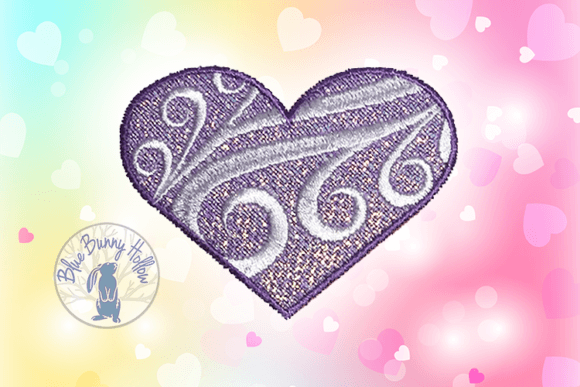
Artistic Hearts Embroidery Design Review
First Impressions: A Heart with a Difference
As an experienced embroidery designer, I always start by examining the visual impact and stitching personality of a new design. The Artistic Hearts machine embroidery design immediately caught my attention with its elegant yet playful aesthetic. It's not your typical Valentine’s Day heart; instead, it brings a unique charm through swirling accents that add depth and movement to the piece.Evaluating Artistic Hearts for Sweatshirt Embroidery
When considering how this design will perform on sweatshirts, especially those from small boutique brands, there are several key factors to assess. First, the design needs to work well across a variety of fabric textures and colors. Let’s break down how Artistic Hearts might appear on common sweatshirt materials:- Neutral Sweatshirts: The heart design adds a subtle pop without overpowering the garment. Its intricate details become the focal point, allowing the simplicity of the base color to shine.
- Dark Fabric: On black or navy bases, the heart stands out beautifully. Depending on thread choices, it can create a dramatic contrast or a soft shimmer, perfect for evening wear or cozy casual outfits.
- Pastel Colors: Light pinks, lavenders, or blues offer a dreamy backdrop for the heart. The swirling accents blend seamlessly with the gentle hues, making it ideal for spring collections or romantic-themed drops.
- Oversized Hoodies: The generous size of these garments allows for bolder placements. The heart could be centered at chest height or scaled up for a striking back design.
- Cozy Seasonal Apparel: Whether it's a winter hoodie or a fall pullover, the warmth of the fabric pairs nicely with the design’s feminine and decorative qualities. It feels like something you'd see in a curated handmade product lineup.
Design Personality and Market Appeal
I’d categorize Artistic Hearts as a premium and feminine design. It has a rustic yet refined look, which makes it suitable for both casual and slightly elevated pieces. The swirling accents give it a sense of motion and artistry, while the heart shape remains universally recognizable and emotionally resonant. This design is definitely cute and playful, but not overly childish. It maintains a level of sophistication that appeals to adult audiences seeking unique and meaningful custom apparel. For a boutique brand, this balance is essential—it helps avoid the “too much” factor while still feeling special enough to stand out.Technical Considerations for Commercial Use
Before approving Artistic Hearts for a production run, I need to consider a few practical elements that every serious embroiderer should evaluate:Thread Color Contrast: While the design looks stunning in white or pastel threads, it may require darker shades for visibility on lighter fabrics. Test swatches on multiple bases to ensure legibility and aesthetic harmony.
Stitch Density: The swirling accents suggest a moderate stitch density. Too tight and it might lose its fluidity; too loose and the detail could flatten. It's important to test the design on the specific embroidery file to ensure the stitch count and spacing maintain the intended effect.
Fabric Thickness: Sweatshirts vary in weight, so the design should adapt well to both standard and heavy-duty knits. The texture of the fabric can enhance the design’s appearance, particularly if it has a slight slub or organic weave.
Stabilizer Choice: Given the design’s complexity, using a high-quality stabilizer is crucial. Tear-away might work for lighter fabrics, but wash-away or cut-away options could yield better results on thicker hoodies to prevent puckering or distortion.
Hoop Size and Placement: The hoop size needed will depend on the scale you choose. If placing on the chest, a 6x10 hoop would likely suffice. For larger versions, especially on the back of oversized hoodies, a bigger hoop may be necessary. Be sure to check the recommended hoop size in the digital embroidery file instructions.
Washing Durability: As with all commercial embroidery, durability after repeated washing is a concern. Using quality polyester or rayon threads and proper backing techniques will help preserve the integrity of the design over time.