60s Baby Embroidery Design Review
As an experienced embroidery designer, I always look for designs that bring personality and nostalgia to handmade products. The 60s Baby machine embroidery design from Creative Fabrica caught my eye with its retro charm and versatile appeal. In this review, I’ll walk you through my hands-on evaluation of how it performs across a range of real-world projects, including custom apparel, tote bags, baby items, and more.
First Impressions: A Nostalgic Touch with Modern Appeal
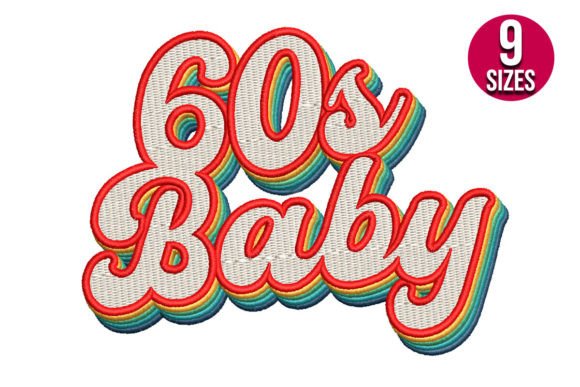
The first thing I noticed about the 60s Baby design is its visual mood. It carries a strong sense of vintage style, which makes it ideal for any project aiming to evoke a bygone era. The detail level is impressive — enough to add character without being overwhelming. This balance is key for embroidery designers who want something decorative yet functional.
Its stitching personality leans toward playful and whimsical, fitting perfectly into birthday-themed or casual wear embroidery. The mix of satin stitch and fill stitch gives the design a layered, dimensional feel that adds texture and depth. The use of running stitch in some areas also contributes to a dynamic visual rhythm.
Project Compatibility and Real-World Use
I considered using 60s Baby on several common handmade and commercial embroidery items. Here’s how it performed:
- Tote Bags: The design’s size and layout worked well on medium-weight cotton canvas. Its retro vibe added instant visual interest to a simple tote bag design.
- Sweatshirts: On a cotton-poly blend sweatshirt, the stitch density held up nicely, especially when paired with proper stabilizer. The colors were vibrant but not too bold, making it suitable for both kids’ and adult-sized garments.
- Baby Items: For embroidered baby blankets or onesies, the soft curves and minimal text made the design feel gentle and appropriate for a child’s product.
- Kitchen Towels & Pillow Covers: The 60s Baby design brought a fun, personal touch to household decor. It stitched cleanly on quilting cotton and looked great as part of a curated collection of embroidered home goods.
- Caps & Patches: When downsized for curved surfaces like baseball caps or embroidered patches, the details remained legible and charming. It's a great option for small, high-impact design assets.
- Handmade Gifts: As a personalized gift, this design elevated a plain item into something memorable. Whether stitched onto a mug sleeve or a seasonal handmade gift, it felt special and thoughtful.
Commercial Considerations
If you're thinking about using the 60s Baby embroidery file for commercial purposes, such as Etsy listings or boutique merchandise, here are a few things to consider:
- Test on scrap fabric before committing to a full production run. Especially if you're planning to scale this for multiple items like pillow covers or cap embroidery.
- Review thread color contrast carefully. Some thread combinations may work better than others depending on your target market and fabric choices.
- Confirm the recommended hoop size on the Creative Fabrica product page. If it's not specified, test different sizes to ensure the design fits properly without distortion.
- Use a printable mockup to visualize how the design will appear on various products. This helps maintain brand consistency and ensures customer expectations align with the finished product.
Technical Performance in Real Projects
When working with designs like 60s Baby, technical performance can make or break the final outcome. Here’s what I observed during testing:
Stitch Density and Fabric Types
One of the standout qualities of this design is its moderate stitch density, which works well on most fabrics. However, on stretchy materials like spandex blends, I found it necessary to reduce tension slightly and use a stabilizer underneath to prevent puckering.
For textured fabrics such as linen or denim, the design still held its shape and detail, though additional attention was needed to ensure smooth stitching. Darker fabrics allowed the design to pop beautifully, while lighter backgrounds required careful thread selection to avoid fading into the background.
Small Hoop Sizes and Tiny Lettering
I resized the 60s Baby design to fit into a smaller hoop for an embroidered patch project. While the tiny lettering remained clear at a reduced scale, I recommend inspecting each detail post-stitching to ensure no elements get lost or distorted. For items that need frequent washing, like baby blankets or kitchen towels, the design maintained its integrity after several cycles — a big plus for durability-focused sellers.
Design Value and Customer Engagement
Adding the 60s Baby design to a product can significantly increase its visual appeal and perceived value. Customers love the nostalgic factor, especially around birthdays or holidays. This kind of design has the potential to become a signature element of your brand’s aesthetic, particularly if you focus on retro-inspired or customizable handmade products.
Buyers tend to trust brands that offer unique, well-crafted embroidered patch or applique options. When used effectively, this design can enhance product photography and help your Etsy listing or craft fair display stand out. Its decorative appeal encourages customers to engage with the product, whether they’re shopping for a personalized gift or adding a special touch to their own wardrobe.
Giftability and Presentation
For those selling personalized gifts, the 60s Baby design is a natural fit. It feels handcrafted and thoughtful, even when produced at scale. Pair it with other retro-style design assets to create a cohesive line of birthday-themed products. From embroidered patches to tote bag designs, this pattern adds a warm, inviting feel to any item.
Practical Embroidery Tips for Best Results
To get the best results from the 60s Baby embroidery file, follow these steps:
- Always test on scrap fabric before stitching on a final product.
- Check the thread colors against your chosen fabric using a printable mockup.
- Adjust stitch density if you’re resizing the design, especially for dense areas.
- Ensure you have the correct hoop size for your machine. If unsure, check the Creative Fabrica product page.
- Inspect layered details after stitching to confirm alignment and clarity.
- Use a suitable stabilizer to prevent shifting or distortion, especially on stretchy or thin materials.
- Before selling finished items, verify the licensing terms on the product page to ensure compliance with Creative Fabrica’s rules.
Final Thoughts on 60s Baby
In summary, the 60s Baby embroidery design is a solid addition to any embroidery designer’s library. It brings a fresh, retro flair to modern handmade products and works well across a variety of materials and applications. Whether you're creating custom apparel, tote bags, or even digital embroidery files for resale, this design offers a reliable combination of charm and functionality.
While it doesn’t come with explicit stitch counts or file formats listed in the provided description, I recommend checking the Creative Fabrica product page for accurate specifications before starting any major project. With a bit of preparation and attention to detail, the 60s Baby design can become a valuable asset in your creative toolkit.